Source FSC Indoor MDF Board for Furniture, Packaging, and Cabinetry
Compare 30 verified listings for FSC indoor MDF board from Chinese manufacturers. Buyers can evaluate specifications like density, thickness, and glue types for furniture, packaging, and cabinetry applications. Explore options with varying core materials such as poplar and pine, and check certifications including CE and ISO to ensure quality standards are met for your specific project needs.
Key considerations
Products List


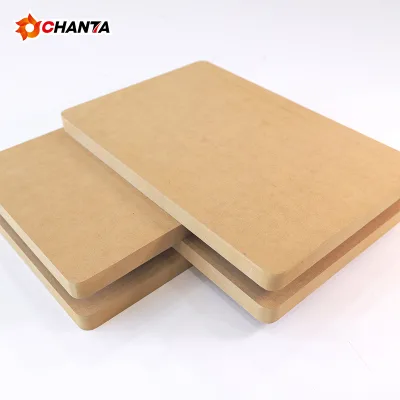
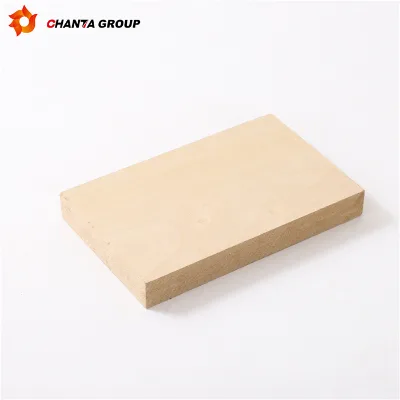
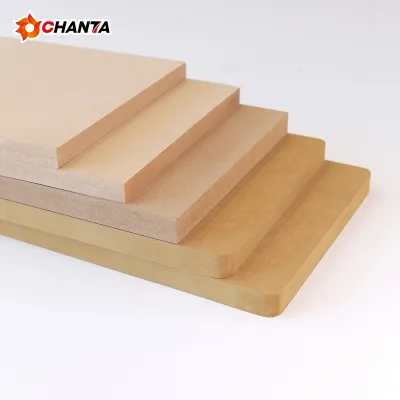
Comprehensive Sourcing Guide
FSC Indoor MDF Board Sourcing Guide
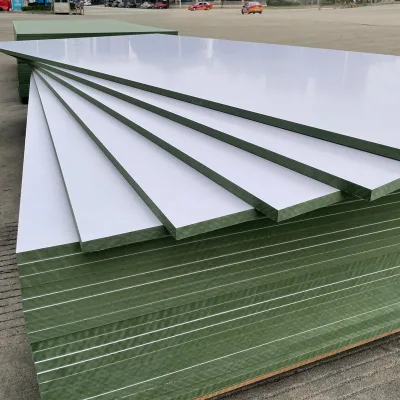
Procuring FSC-certified indoor MDF boards requires a disciplined approach to balancing environmental compliance with technical performance. Buyers must first distinguish between raw boards and finished products, as the supply chain offers both semi-hardboards and melamine-impregnated variants. The core material composition often involves poplar, pine, or mixed hardwoods, which directly influences the board's density and structural integrity. Understanding these material distinctions is critical for selecting the right substrate for specific interior applications, ensuring that the final product meets both aesthetic and functional requirements.
Verification of the FSC certification is non-negotiable for projects demanding sustainable sourcing. This certification ensures that the wood fiber originates from responsibly managed forests, a key requirement for green building standards and corporate sustainability goals. Buyers should confirm that the certification covers the entire supply chain, from the forest to the manufacturing facility. Additionally, the production process, whether dry or semi-dry, affects the board's moisture resistance and dimensional stability, making it essential to align the manufacturing method with the intended indoor environment's humidity levels.
Product Scope and Observed Listing Signals
The market for indoor MDF boards presents a wide range of product types, from raw semi-hardboards to finished melamine-impregnated panels. Listings frequently highlight customization options, allowing buyers to specify thickness, density, and surface finishes. The observed product models vary significantly, indicating a diverse supplier base catering to different industrial needs. Buyers should carefully review the product descriptions to determine if the board is intended for furniture manufacturing, packaging, or other interior applications, as this dictates the required quality grade and surface treatment.
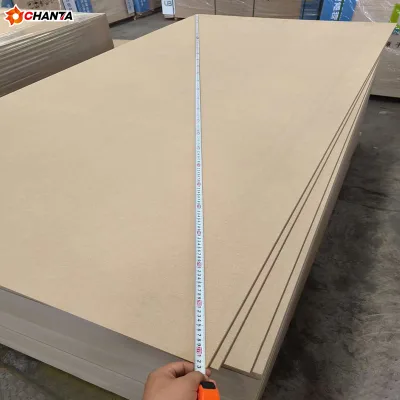
Pricing and minimum order quantities (MOQ) vary widely, reflecting differences in material quality, certification status, and production volume. Some suppliers offer loose packing for cost efficiency, while others provide export-standard pallet or film packaging to protect the boards during transit. The standard sheet size of 1220x2440mm is common, but custom dimensions are often available upon request. Buyers must evaluate the total landed cost, including packaging and logistics, rather than focusing solely on the unit price, to ensure accurate budgeting for large-scale procurement projects.
Technical Specifications to Verify
Density is a primary technical parameter that determines the board's strength and machinability. Observed density ranges typically fall between 500 and 850 kg/m³, with lower densities suitable for lightweight applications and higher densities providing greater durability. Buyers should verify the specific density grade required for their application, as it impacts cutting, drilling, and fastening performance. The core material, whether poplar, eucalyptus, or mixed hardwood, also plays a crucial role in determining the board's internal bond strength and resistance to warping.
Thickness and surface finish are equally critical specifications that must be confirmed before placing an order. Standard thicknesses are available, but custom requests are often accommodated to meet precise design requirements. Surface treatments range from raw, untreated boards to melamine-impregnated papers that offer enhanced durability and aesthetic appeal. Buyers must ensure that the selected finish aligns with the intended use, whether it requires a smooth surface for painting or a textured finish for decorative purposes, to avoid costly rework or material waste.
Compliance and Safety Documentation
Formaldehyde emission standards are a critical safety consideration for indoor MDF boards, given their use in enclosed spaces. Buyers must verify that the boards comply with strict emission limits, such as E0, E1, or E2 standards, to ensure indoor air quality and occupant health. The type of glue used, whether melamine, phenolic, or moisture-resistant variants, directly influences the emission levels and overall safety profile of the product. Documentation from independent testing laboratories is essential to validate these claims and ensure regulatory compliance in target markets.
Additional certifications, such as CE, ISO, and CARB, provide further assurance of product quality and environmental responsibility. These certifications indicate that the manufacturer adheres to international standards for quality management and environmental impact. Buyers should request valid certification documents and verify their authenticity with the issuing bodies. Compliance with these standards not only mitigates legal risks but also enhances the marketability of the final product, particularly in regions with stringent environmental regulations.
Cost Drivers and Commercial Terms
Several factors influence the final cost of FSC indoor MDF boards, including raw material prices, production processes, and certification fees. The use of high-quality wood fibers and advanced manufacturing techniques can increase production costs but result in superior product performance. Buyers should consider the total cost of ownership, including potential savings from reduced waste and improved efficiency, rather than focusing solely on the initial purchase price. Negotiating volume discounts and long-term contracts can also help mitigate cost fluctuations and ensure supply stability.
Commercial terms, such as payment methods, delivery schedules, and warranty policies, play a significant role in the procurement process. Buyers should clearly define these terms in the contract to avoid disputes and ensure smooth transactions. Flexible payment options and clear delivery timelines can enhance cash flow management and project planning. Additionally, understanding the supplier's return and replacement policies is crucial for addressing any quality issues that may arise during production or installation, protecting the buyer from financial losses.
Supplier Qualification and Quality Control
Evaluating supplier qualifications is essential to ensure a reliable and consistent supply of FSC indoor MDF boards. Buyers should assess the manufacturer's production capacity, quality control systems, and track record in the industry. Facilities with advanced machinery and rigorous testing protocols are more likely to deliver products that meet specified technical and compliance requirements. Engaging with suppliers who have a proven history of exporting to your target market can also reduce logistical risks and ensure smoother customs clearance.
Implementing a robust quality control process is vital to maintaining product consistency and performance. Buyers should conduct regular inspections, either through third-party agencies or internal teams, to verify that the boards meet all agreed-upon specifications. This includes checking for defects, verifying dimensions, and testing for formaldehyde emissions. Establishing clear quality benchmarks and communication channels with the supplier can help address issues promptly and maintain high standards throughout the procurement cycle, ensuring customer satisfaction and brand reputation.
Long-Term Procurement Checks
Continuous monitoring of supplier performance is necessary to maintain a stable and efficient supply chain. Buyers should regularly review key performance indicators, such as delivery times, product quality, and responsiveness to issues. Establishing a feedback loop with the supplier can facilitate continuous improvement and address any emerging challenges proactively. Regular audits and site visits can provide valuable insights into the supplier's operations and ensure ongoing compliance with quality and environmental standards.
Adapting to market changes and regulatory updates is crucial for long-term procurement success. Buyers should stay informed about evolving environmental regulations, certification requirements, and industry trends that may impact the MDF board market. Building strong relationships with multiple suppliers can provide flexibility and mitigate risks associated with single-source dependencies. By maintaining a strategic approach to procurement, buyers can ensure a sustainable and cost-effective supply of FSC indoor MDF boards, supporting their business goals and environmental commitments.
FAQs
What certifications do FSC indoor MDF boards typically hold?
These boards commonly hold CE, ISO, CARB, and FSC certifications. Some listings also include MSDS and BS standards. Buyers should verify specific documents for each supplier to ensure compliance with regional safety and environmental regulations before placing orders.
Which core materials are used for these semi-hardboards?
Manufacturers use Poplar, Pine, Mixed Hardwood, or Fruit Tree fibers as core materials. The base material is often MDF or Wood Fiber. This composition supports the required density range of 500 to 850 kg per cubic meter for various furniture and packaging applications.
Can I request custom sizes for indoor MDF board orders?
Yes, customization is available for standard dimensions like 1220 by 2440 mm or 1220 by 2800 mm. Thickness can also be adjusted per request. Buyers should confirm specific size requirements with the factory to ensure the production process accommodates the custom dimensions efficiently.
What glue standards are applied to these wood fiber boards?
The boards utilize E0, E1, or E2 formaldehyde emission standards depending on the specific product grade. Some variants use WBP-Melamine or WBP-Phenolic glues. These adhesives ensure the boards meet indoor air quality requirements while maintaining structural integrity for furniture and packaging uses.
How are these boards packed for export from China?
Export packaging options include loose packing, pallet packing, or film packaging. The specific method depends on the supplier and order volume. Buyers should specify their preference to ensure the boards arrive without damage during transit from Shandong Province or other Chinese manufacturing locations.
What production processes are used to make these boards?
Production typically involves a dry process or semi-dry process to form the wood fiber into boards. The finish may be raw, embossed, or melamine impregnated paper. This manufacturing approach ensures the boards achieve the necessary density and surface quality for indoor applications.
Which suppliers offer FSC certified indoor MDF boards?
Suppliers in Shandong Province, China, often provide FSC certified options alongside ISO and CE marks. Buyers can identify these vendors by checking product listings for the specific FSC label. It is essential to verify the certification validity directly with the manufacturer before finalizing any purchase agreement.